




Evaluate Your Elevator Experience Before Visitors Do
Southern California Property Readiness Series: As Los Angeles prepares for Summer Games 2028, VDA is providing educational resources to help property teams evaluate elevator and escalator performance, improve reliability, and prepare for increased visitor traffic.
Author: John Reynolds | Regional VP, HKA Consulting (a VDA company)
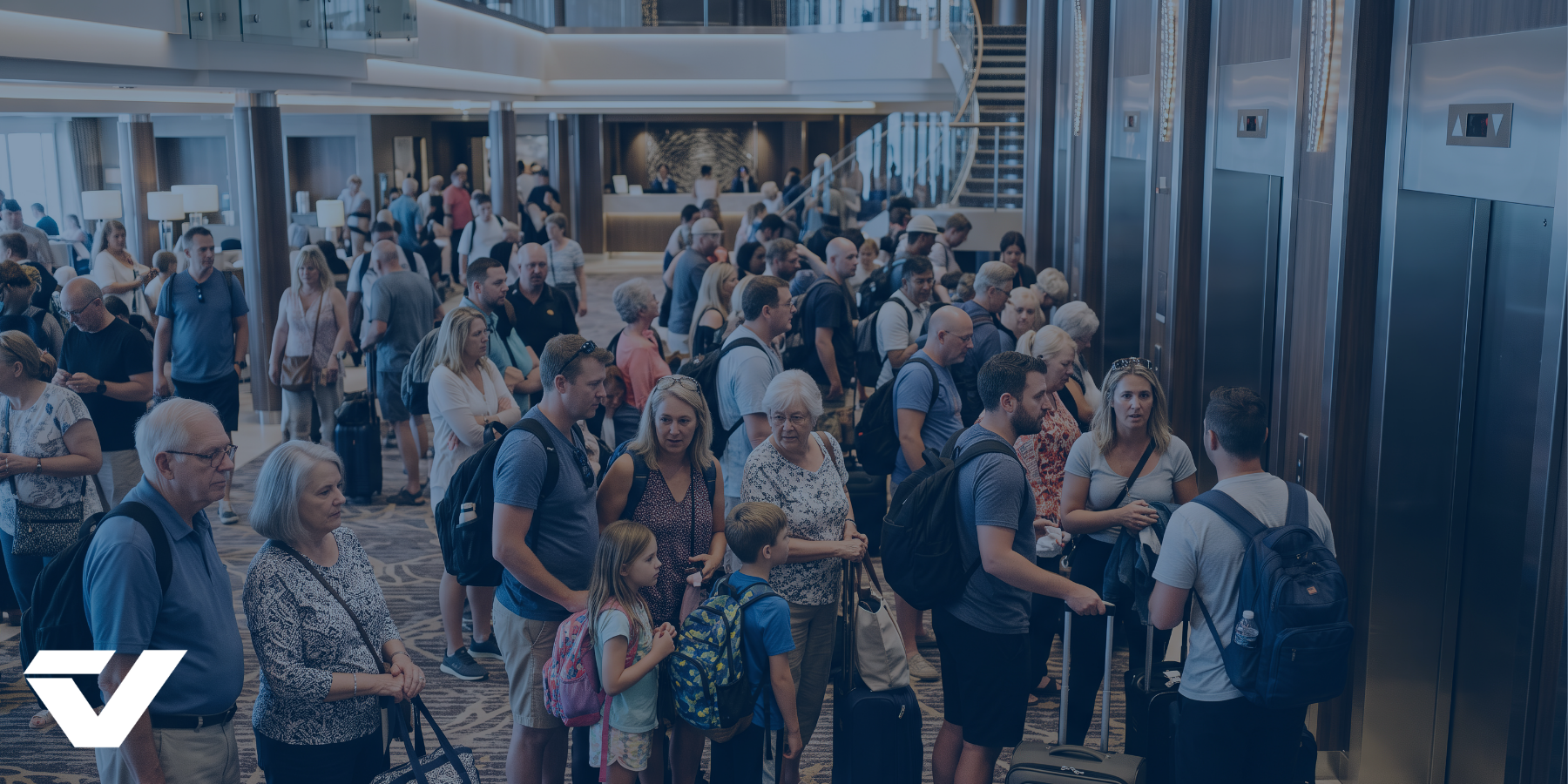
A guest arrives at your Los Angeles property with their family in tow and plans for the day. The lobby feels welcoming, but the elevator takes longer than expected. More people gather. When an elevator finally arrives, it’s crowded, the doors hesitate, and the ride feels noisy.
The elevator completed the trip, but the experience has already influenced the guest’s impression of the property.
As Los Angeles prepares for Summer Games 2028 and increased regional visitor traffic, now is a good time to evaluate how your elevators and escalators perform from a visitor’s perspective.
You don’t need to be an elevator expert to get started. A simple guest-experience evaluation can help your team identify friction, prioritize improvements, and determine whether a more extensive professional evaluation may be needed.
Follow the Visitor Journey
Begin by experiencing your elevators and escalators the way a first-time visitor would. Walk the property during different times of day and week, especially when traffic is typically highest.
Arrival
Ask yourself:
- Is it clear where visitors should go?
- How long does an elevator take to arrive?
- Does the waiting area become crowded?
- Can guests with luggage, strollers, or mobility devices move comfortably?
- Are security, destination dispatch, access-control, or credential systems intuitive for first-time users?
- Are signs, displays, and buttons easy to understand?
The Ride
Once inside, focus on what a visitor can see, hear, and feel.
- Listen for unusual noises.
- Notice whether the ride feels smooth.
- Check whether the elevator stops level with the floor.
- Watch how quickly and consistently the doors open and close.
- Look at the lighting, controls, flooring, walls, handrails, and displays.
An elevator can be operating while still creating an experience that feels worn or out of step with the rest of the property.
Observe Busy Periods
An elevator system may perform well during a quiet afternoon but struggle when demand increases. Visit the property during check-in and checkout periods, events, tours, commuter peaks, or other high-traffic times.
Ask:
- Are people waiting through multiple elevator arrivals?
- Do cars fill before everyone can board?
- Does service traffic create delays for visitors?
- Does the lobby remain orderly during surges?
Is Your Property Ready for Increased Visitor Traffic?
VDA can help you evaluate your elevator and escalator systems.
Review Recent Elevator Service Issues
A guest-experience evaluation is not just about what visitors see. It’s also an opportunity to evaluate how effectively elevator issues are being resolved behind the scenes.
Review recent outages, service calls, or recurring problems and ask:
- How quickly did the maintenance provider respond?
- How long was the elevator out of service?
- Was the root cause clearly explained?
- Did the issue stay resolved?
- Were replacement parts readily available?
- Were staff kept informed throughout the process?
Patterns matter more than any single incident. Repeated outages, recurring callbacks, long repair timelines, or frequent delays waiting for parts may indicate larger equipment, maintenance, or lifecycle challenges. Lack of visibility into your elevator portfolio can cause larger, ongoing issues.
What to Do with Your Findings
After completing the evaluation, group observations into three categories.
Operational changes may include better signage, traffic routing, scheduling, or coordination between guest and service activity.
Maintenance follow-up may include recurring noise, door issues, ride quality concerns, or inconsistent operation to discuss with your maintenance provider.
Longer-term planning may involve aging equipment, capacity concerns, recurring outages, parts challenges, or performance that no longer supports the property’s needs.
Know When to Bring in an Expert
A self-guided evaluation is a useful starting point, but it can’t provide a complete picture of equipment condition or long-term performance.
If your findings point to recurring service issues, increasing outages, capacity limitations, aging equipment, or uncertainty about future demand, it may be time for a more extensive evaluation.
A vertical transportation consultant can take a deeper look at equipment condition, maintenance history, traffic and capacity, recurring performance concerns, and potential repair or modernization needs. We can also help prioritize improvements and build a practical plan around your operations, budget, and timeline.
Start With What Your Guests Experience Today
You don’t need to have every answer before you begin. Walk the property, ride the elevators, observe busy periods, and review your maintenance service.
If your findings raise bigger questions, VDA’s local team in the Southland can conduct a more extensive equipment evaluation and help turn the results into a practical plan for 2028 and beyond. Contact Us
About the Author
John Reynolds joined VDA in 2025 through our partnership with HKA Consulting, bringing nearly 40 years of elevator-related experience for virtually all building types, sizes, and elevator applications. As Regional Vice President, John’s responsibilities include general vertical transportation consulting activities in California and across the Southwest for new construction projects and existing properties. He specializes in mid-rise and high-rise commercial office, residential, retail, hospitality, and institutional buildings where he performs traffic analyses, prepares contract documents, analyzes bids, and executes contract administration. Follow him on LinkedIn.
Questions About Working with an Elevator Consultant
How do I know whether my property needs a professional elevator evaluation or just routine maintenance?
A guest-experience evaluation is a good starting point. If your team identifies recurring outages, long wait times during peak periods, increasing service calls, frequent callbacks, capacity concerns, or uncertainty about how the system will perform under higher visitor traffic, it may be time for a more comprehensive evaluation. An elevator consultant can help determine whether the issue is related to maintenance, equipment condition, traffic flow, modernization needs, or a combination of factors.
View our Property Readiness Checklist to identify what needs attention now, and what you can plan for later. We have local teams in Los Angeles, Irvine, and San Diego ready to help. Contact us to schedule a free consultation.
How far in advance should Los Angeles-area properties start planning for Summer Games 2028?
The earlier, the better. An early equipment evaluation gives you time to identify concerns, prioritize improvements, and make decisions on your timeline rather than in response to an emergency or performance issue.
If a major elevator upgrade is needed before summer 2028, property teams need to start now — there’s no time to wait. Evaluations, budgeting, modernization planning, procurement, contractor availability, and construction schedules can take longer than many property teams expect.
How do I find a qualified elevator consultant in Southern California?
Look for a consultant that works independently on behalf of property owners rather than companies that sell elevator maintenance or modernization services. Ask about their experience with properties similar to yours, whether hospitality, transportation, mixed-use, residential, or entertainment venues. Local knowledge is also valuable because traffic patterns, building types, and visitor expectations can vary significantly across the Los Angeles market.
Our local teams in Los Angeles, Irvine, and San Diego have worked on a broad range of property types across Southern California. Explore some of our projects and get in touch with us.
What questions should I ask before hiring an elevator consultant?
Ask how they evaluate equipment condition, traffic and capacity, maintenance performance, and modernization needs. Request examples of similar projects they have supported and ask how they prioritize recommendations. A good consultant should be able to explain not only what they found, but also which issues require immediate attention, which can wait, and how recommendations align with your budget and operational goals.
What does a consultant provide that my maintenance provider typically does not?
Your maintenance provider is responsible for maintaining and repairing the equipment. A consultant provides an independent assessment of how the system is performing and whether it is positioned to support your property’s future needs. This may include evaluating equipment condition, maintenance history, traffic flow, capacity, recurring performance concerns, repair versus modernization options, and long-term planning strategies. The goal is to help property teams make informed decisions based on their building’s needs, visitor experience, and future demand.
What types of properties should be thinking about elevator readiness before Summer Games 2028?
Hotels are often the first property type people think about, but they are not the only ones. Tourist attractions, transportation hubs, mixed-use developments, residential towers, office buildings, parking structures, entertainment venues, and other properties that may experience increased visitor traffic can all benefit from understanding how their elevators and escalators perform today and whether improvements should be considered before demand increases.